
Smart Thermal Energy Storage Systems for Maximum Efficiency
Smart thermal energy storage systems are reshaping how commercial buildings manage hot-water production, heating loads, and overall energy efficiency. As electricity costs rise and time-of-use pricing becomes more common, buildings need solutions that allow them to optimize when and how they consume energy. The combination of a high-performance thermal storage tank, intelligent controls, and modern heat pumps provides a strong pathway to reducing costs, improving reliability, and integrating renewable energy. A well-designed thermal battery stores heat generated during low-cost periods and makes it available during high-demand hours, allowing businesses to take full control of their energy strategy.
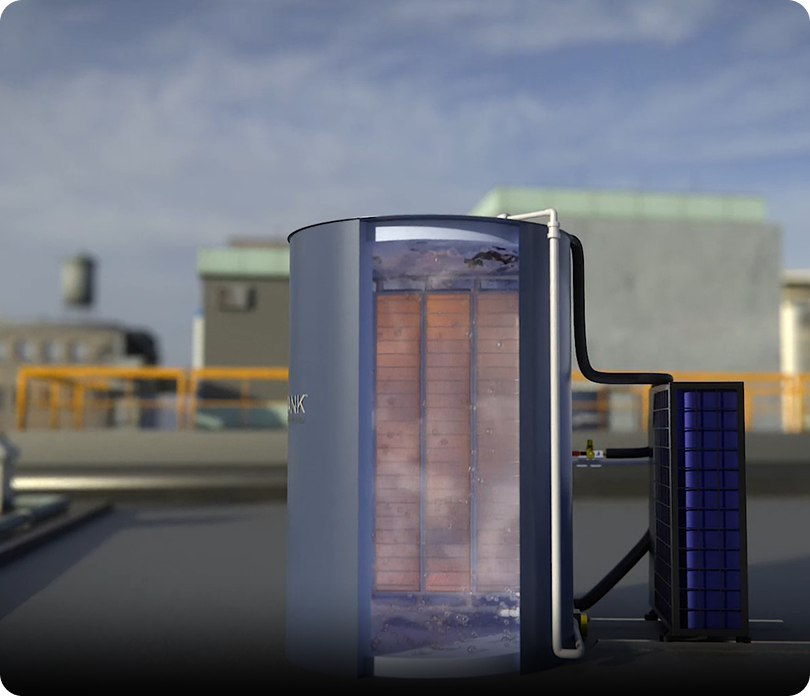
The Thermal Storage Tank as a High-Performance Thermal Battery
A modern thermal storage tank serves as the core of an advanced thermal energy storage system, functioning much like a battery for heat. Instead of heating water only at the moment it is needed, facilities can generate and store heat when energy is cheaper or more abundant. Power Panel’s design illustrates just how effective this technology can be. Their 350-gallon thermal battery provides R-18 insulation and loses less than four degrees Fahrenheit per day, enabling it to store up to 54 kWh of thermal energy and dispatch as much as 1,400 gallons of hot water per day when paired with a heat pump. Beyond performance, the construction of the thermal storage tank contributes to its longevity and sustainability. Made from corrosion-resistant EPP foam and advanced thermoplastics, the tank lasts two to three times longer than traditional steel tanks. The unpressurized water inside serves only as a working medium, which means it never mixes with the domestic water supply and avoids mineral buildup. All components are easily replaceable and fully recyclable.
How Smart Controls Enable Intelligent Load Shiftin
Benefits of Smart Load Shifting
- Preheats during off-peak rate windows
- Reduces peak electrical demand significantly
- Enhances heat pump performance and lifespan
- Ensures reliable hot-water delivery during peak periods
Thermal Storage Improves Heat Pump COP (Coefficient of Performance)
Thermal energy storage increases heat pump COP by allowing the heat pump to run during its most efficient hours and avoid short, inefficient heating cycles. Heat pumps already outperform traditional electric resistance systems, often producing three to four units of heat for each unit of electricity consumed. However, their actual efficiency depends on runtime behavior. A heat pump paired with a thermal battery can operate steadily, rather than cycling on and off, because it is storing heat instead of responding to sudden demand. By charging when outdoor temperatures are favorable or electricity prices are low, the heat pump maintains a higher average COP. PowerPanel’s modeling shows that integrating a heat pump with a thermal storage tank can reduce electricity consumption for water heating by up to 70% compared to resistance heating.
Rate Arbitrage: A Powerful Financial Advantage
Talk to our experts about your energy situation today.
System Architecture: How Components Work Together
Industries With the Highest ROI From Thermal Energy Storage
Use Cases With Highest ROI
- Hotels & Resorts: Strong morning peaks and high occupancy
- Multifamily Housing: Predictable daily usage cycles
- Laundromats & Food Processing: Long-duration hot-water requirements
- Agriculture: Cleaning, heating, and process loads
- Off-Grid or Generator-Dependent Sites: Lower fuel consumption and runtime
Case studies show that hot water can represent 20–30% of total electrical usage in hospitality, making a thermal battery among the most impactful upgrades available.
Conclusion: A Smarter, More Efficient Future
Smart thermal energy storage systems represent one of the most effective ways for commercial buildings to reduce energy costs and increase efficiency. By combining a high-performance thermal storage tank, intelligent controls, heat pumps, buildings gain the ability to shift loads, avoid peak charges, improve heat pump COP, and maintain reliable hot-water service around the clock. As electrification accelerates and energy prices become more volatile, adopting a thermal battery strategy is no longer optional—it is essential for achieving long-term sustainability, resilience, and financial return.
1. What is a thermal energy storage system?
2. How does a thermal storage tank work?
3. Can thermal energy storage reduce electricity bills?
4. Do heat pumps perform better with thermal storage?
5. Which buildings benefit most from thermal energy storage?
Hotels, multifamily buildings, laundromats, food-processing sites, and off-grid facilities gain the highest ROI.
6. Can a thermal battery work with my existing water heater or boiler?
Yes — it preheats water before it reaches existing equipment, reducing workload and saving energy.