
High-Performance Thermal Water Heater for Reliable Hot Water Supply
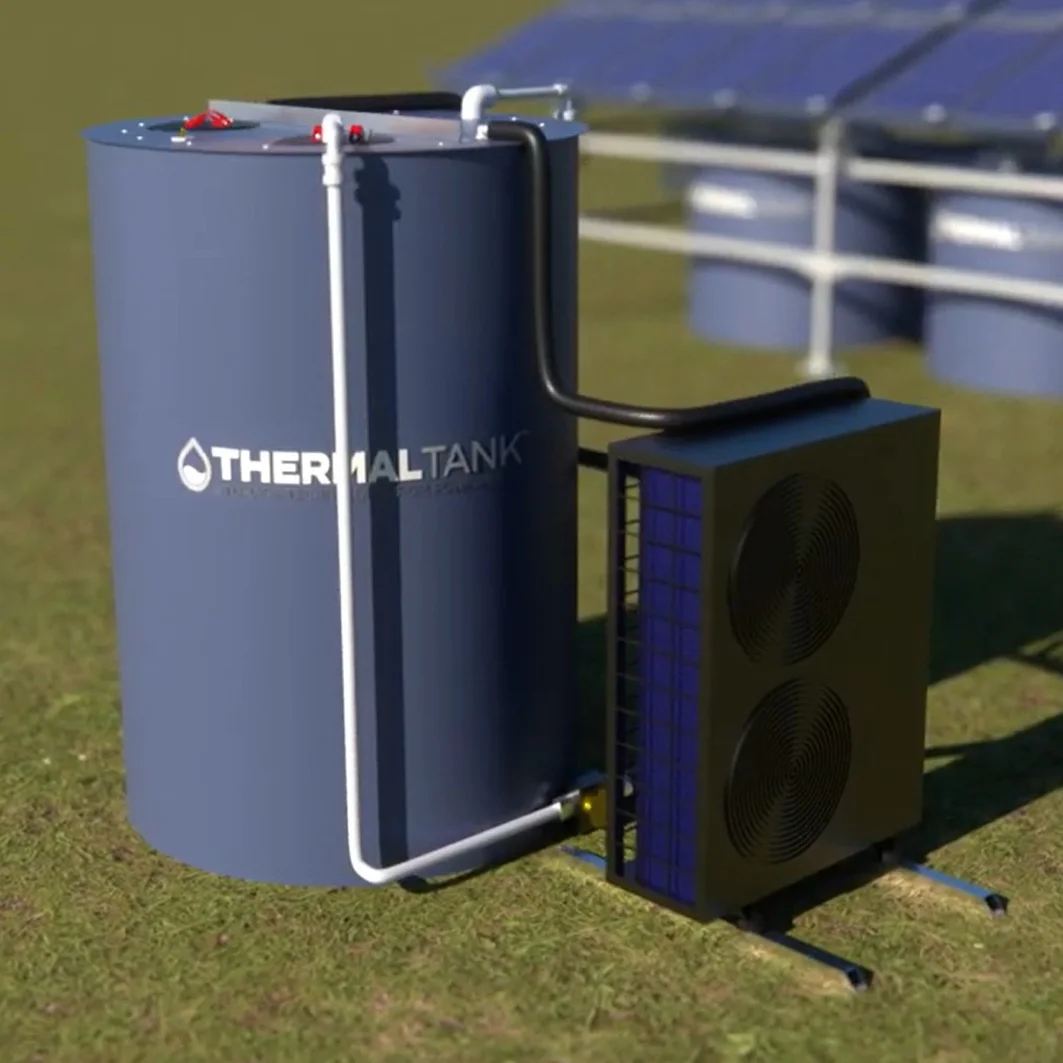
A dependable hot water supply is essential for commercial buildings, hospitality facilities, multifamily housing, healthcare environments, and industrial operations. As energy prices rise and electrical infrastructure faces increasing strain, traditional water heating technologies are becoming less capable of delivering consistent performance without excessive operating costs. This has accelerated adoption of the thermal water heater, a modern system that combines a thermal battery with a high-performance thermal tank to deliver hot water more efficiently and reliably.

How a Thermal Water Heater System Works

A thermal water heater works by storing thermal energy inside a thermal tank ahead of demand and delivering hot water through a heat exchanger, rather than producing heat at the moment water is used. A thermal water heater is built around the separation of three core functions: energy generation, energy storage, and hot water delivery. Thermal energy is first captured using efficient sources such as heat pumps, or recovered waste heat. That energy is then stored inside a thermal tank, which functions as a thermal battery capable of holding large amounts of usable heat for extended periods. The water contained inside the thermal tank is a closed-loop working fluid and never mixes with domestic water. When hot water is required, incoming cold water passes through a heat exchanger, where stored thermal energy is transferred rapidly and efficiently. Because the system relies on stored energy rather than instant heat generation, it can meet high or sudden demand without stressing the energy source. This decoupling of energy production from usage is the defining advantage of a thermal water heater system.

Traditional Water Heaters and Their Structural Constraints

Traditional water heaters—including electric resistance tanks, gas-fired storage systems, and tankless heaters—operate on a fundamentally reactive model. Heat must be generated at the same moment hot water is consumed. While this approach is simple, it introduces structural inefficiencies that become increasingly problematic at scale. Storage tanks are limited by volume and recovery time. Once the stored hot water is depleted, users experience temperature drop or delayed recovery. Tankless systems eliminate storage limitations but impose flow rate restrictions, especially when temperature lift requirements are high. In both cases, equipment must be oversized to handle peak demand, resulting in higher capital costs, increased energy use, and accelerated component wear. These limitations are inherent to the design of traditional heaters and cannot be fully resolved through incremental efficiency improvements.

Key Differences Between Thermal Water Heaters and Traditional Systems

Structural and Operational Differences

  • Traditional heaters generate heat on demand, while a thermal water heater draws from stored thermal energy
  • Thermal tanks act as a thermal battery, enabling load shifting and peak demand smoothing
  • Traditional systems require oversizing to meet peaks, while thermal systems rely on storage capacity
  • Thermal water heaters maintain stable performance during simultaneous high-flow usage

Temperature Lift: Why It Matters More Than Efficiency Ratings

Temperature lift matters because it defines how much energy a system must add to incoming cold water, directly impacting equipment size, efficiency, and performance during peak demand. Temperature lift is the difference between incoming cold water temperature and the required hot water delivery temperature. In many commercial environments, this lift exceeds 70 to 80 degrees Fahrenheit, particularly in colder climates or facilities requiring high-temperature water. Traditional water heaters must achieve this temperature increase instantly, forcing burners or electric elements to operate at maximum output during demand peaks. A thermal water heater addresses temperature lift by storing energy at elevated temperatures within the thermal tank. When cold water enters the system, the heat exchanger transfers stored thermal energy rather than relying on real-time heat generation. This allows lower-capacity energy sources to deliver high-temperature water consistently without efficiency losses, excessive cycling, or system instability. Managing temperature lift through stored energy significantly improves reliability and reduces long-term operating costs.

Flow Rate and Real-World Demand Performance

Flow rate determines how much hot water a system can deliver simultaneously without temperature drop. This is where many traditional systems fail under real operating conditions. Tankless heaters are particularly sensitive, as higher flow rates reduce outlet temperature unless additional energy is supplied. Storage tanks perform well initially but struggle once their limited volume is depleted. Thermal water heaters are governed by stored energy capacity and heat exchanger performance rather than instantaneous heating power. As long as sufficient thermal energy is stored in the thermal battery, the system can sustain high flow rates across multiple fixtures without compromising temperature. This makes thermal systems especially effective in applications such as hotels, hospitals, and laundries where concurrent hot water use is common.

Talk to our experts about your energy situation today.

Heat Exchanger Function in a Thermal Water Heater System

The heat exchanger is the component that enables a thermal water heater to convert stored energy into usable hot water efficiently. Its design directly influences system performance, reliability, and longevity.

Heat Exchanger Design Advantages

  • Transfers energy from the thermal tank to domestic water in a single pass
  • Keeps domestic water isolated from the thermal battery
  • Minimizes scaling and corrosion inside the storage tank
  • Maintains stable outlet temperature at varying flow rates

By separating storage and domestic water, the thermal tank remains clean and stable over decades of operation, while maintenance is limited to the exchanger rather than the entire system.

Energy, Cost, and Demand Management Benefits

Thermal water heaters provide significant operational advantages by allowing energy to be stored during low-cost periods and used during peak demand. This load-shifting capability reduces exposure to peak electricity rates and demand charges, which often represent a substantial portion of commercial utility bills. Because the thermal battery absorbs fluctuations in demand, energy generation equipment operates more consistently and efficiently. Over time, this leads to lower operating costs, improved predictability, and reduced mechanical stress. Facilities also benefit from longer equipment lifespan and fewer emergency maintenance events.

Thermal Water Heater vs Traditional Heater: Performance Summary

Thermal Water Heater Strengths

  • Uses a thermal battery to store and dispatch energy
  • Maintains temperature and flow during peak demand
  • Reduces demand charges and operating costs
  • Extends system lifespan through unpressurized design

Traditional Heater Limitations

  • Reacts to demand instead of preparing for it
  • Requires oversizing to meet peak loads
  • Suffers efficiency loss at high flow rates
  • Shorter lifespan due to pressure and corrosion

Final Perspective

A traditional water heater is a reactive appliance designed for immediate response. A thermal water heater is a system engineered for performance, resilience, and efficiency. By integrating a thermal tank as a thermal battery, modern thermal systems deliver reliable hot water while reducing energy costs, managing demand, and extending equipment life. As energy pricing structures evolve and performance expectations increase, thermal water heaters represent a future-ready solution for facilities that require dependable, high-performance hot water supply.

FAQs

What is a thermal water heater?
A thermal water heater is a system that stores thermal energy in advance using a thermal tank and delivers hot water on demand through a heat exchanger instead of generating heat instantly.
How is a thermal water heater different from a traditional water heater?
Traditional water heaters generate heat when water is used, while a thermal water heater relies on stored thermal energy, allowing it to handle peak demand more efficiently and reliably.
What does a thermal battery mean in hot water systems?
A thermal battery refers to stored heat energy held inside a thermal tank, which can be discharged when hot water is needed, similar to how an electrical battery stores and releases power.
Why is temperature lift important in water heating systems?
Temperature lift determines how much energy is required to raise incoming cold water to the desired hot water temperature, directly affecting system size, efficiency, and performance under high demand.
Can a thermal water heater support high flow rates?
Yes, thermal water heaters are designed to sustain high flow rates because hot water delivery is supported by stored thermal energy rather than real-time heat generation.
What role does the heat exchanger play in a thermal water heater?
The heat exchanger transfers stored thermal energy from the thermal tank to domestic water while keeping the systems separate, improving efficiency and reducing scaling and corrosion.
Are thermal water heaters more energy efficient than traditional heaters?
In most commercial applications, thermal water heaters are more energy efficient because they enable load shifting, reduce peak demand, and operate energy sources more consistently.
Where are thermal water heater systems most commonly used?
Thermal water heater systems are commonly used in hotels, multifamily buildings, healthcare facilities, laundries, and other applications with high or simultaneous hot water demand.