
Innovative Thermal Battery for Sustainable Heat Storage
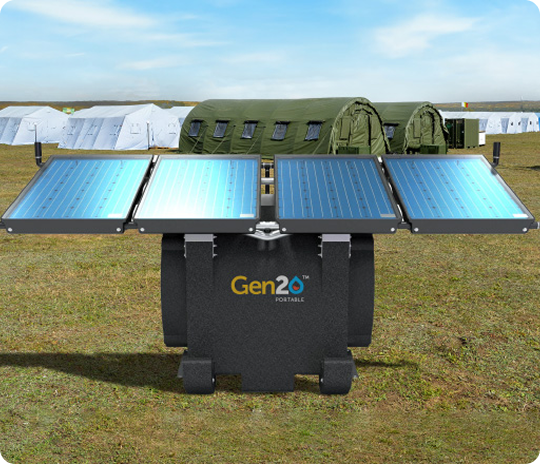
This challenge has accelerated the adoption of thermal energy storage solutions, particularly the thermal battery. Unlike a conventional thermal tank, which stores hot water for immediate use, a thermal battery stores heat as an energy resource that can be deployed strategically. Understanding how thermal batteries work—and how they differ from traditional tanks—is essential for designing modern, sustainable heat systems.
The Core Idea Behind Thermal Energy Storage
Thermal Battery vs Traditional Hot Water Tank
Key differences include:
- Traditional tanks store hot water; thermal batteries store heat energy
- Traditional tanks react to demand; thermal batteries anticipate demand
- Traditional tanks mix water volumes; thermal batteries isolate the working fluid
- Traditional tanks have limited recovery; thermal batteries recharge strategically
This design shift transforms the thermal tank from a passive container into an active energy storage component.
How Does the Working Fluid Cycle Work in a Thermal Battery System?
The working fluid cycle operates through four distinct stages:
Charging phase:
Thermal energy from sources such as heat pumps, or recovered waste heat is transferred into the working fluid. This process is often scheduled during off-peak electricity periods or when renewable energy availability is high.
Thermal storage phase:
Discharge phase:
Recharge phase:
Talk to our experts about your energy situation today.
Heat Exchange as the Performance Engine
Energy Math: Why Thermal Batteries Deliver More Than Their Size Suggests
Operational Advantages Enabled by Thermal Energy Storage
Key operational benefits include:
- Shifting energy use to off-peak electricity periods
- Reducing peak demand charges
- Improving heat pump efficiency through load stabilization
- Allowing smaller primary heating equipment
- Increasing system resilience and reliability
Where Thermal Batteries Outperform Traditional Tanks
Talk to our experts about your energy situation today.
Thermal Batteries in Sustainable Building Design
Final Perspective: The Future of Heat Storage
FAQs