
How Non-Corrosive Thermal Tanks Improve Durability and Performance in Energy Storage Systems
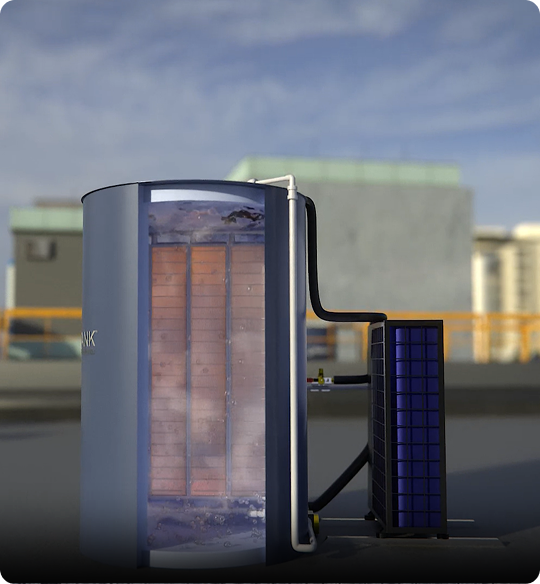
Non-corrosive thermal tanks are redefining durability and performance standards in modern thermal energy storage systems. In commercial buildings and industrial facilities, traditional steel tanks often degrade over time due to corrosion, leading to inefficiencies and costly replacements. A non-corrosive thermal tank eliminates these risks by using advanced materials that resist chemical and environmental damage. Acting as a thermal battery, a heat storage tank stores energy efficiently and delivers it when needed, supporting load shifting and peak demand management. When integrated with heat pumps, solar thermal systems, and HVAC systems, these tanks enhance energy efficiency and reliability. Their long lifespan and low maintenance requirements make them essential for sustainable and cost-effective decarbonization strategies.

What is a non-corrosive thermal tank and how does it work?

A non-corrosive thermal tank is a heat storage tank built with materials that resist rust and degradation, ensuring long-term durability and consistent thermal energy storage performance. A non-corrosive thermal tank is designed to maintain structural integrity and performance over extended periods by using advanced materials that resist corrosion. Unlike traditional steel tanks, these systems utilize engineered polymers, specialized liners, and protective coatings to prevent degradation. As a thermal storage tank, it functions as a thermal battery, storing heat energy and delivering it through heat exchangers to domestic hot water (DHW) systems or heating applications. This ensures reliable operation even in demanding environments. The tank’s design allows it to integrate seamlessly with heat pumps and solar thermal systems, enabling efficient energy capture and use. By eliminating corrosion-related failures, these tanks provide consistent performance and reduce long-term maintenance requirements in energy systems.

Why do non-corrosive thermal tanks improve durability in energy systems?

Non-corrosive thermal tanks improve durability by eliminating rust and material degradation, extending system lifespan and reducing maintenance requirements. Durability is significantly enhanced in non-corrosive thermal tanks because they are built to withstand environmental and chemical stresses without degrading. Traditional tanks often suffer from corrosion due to water exposure and mineral buildup, leading to leaks and inefficiencies. In contrast, non-corrosive designs maintain their structural integrity, ensuring consistent performance over time. This is particularly important in thermal energy storage systems where reliability is critical. The use of advanced insulation materials also helps maintain internal temperatures, reducing stress on system components.

Key durability benefits include:

  • Resistance to rust and chemical degradation
  • Extended lifespan compared to traditional tanks
  • Reduced maintenance and repair costs
  • Consistent performance in harsh environments
  • Improved reliability in long-term operations

These advantages make non-corrosive tanks a superior choice for energy systems.

How do non-corrosive thermal tanks enhance performance and efficiency?

Non-corrosive thermal tanks enhance performance by maintaining system integrity, improving heat retention, and enabling efficient energy transfer through heat exchangers. Performance improvements in non-corrosive thermal tanks are driven by their ability to maintain consistent internal conditions and resist degradation. By preventing corrosion, these tanks ensure that heat exchangers operate efficiently, enabling optimal energy transfer to DHW systems and heating applications. The use of advanced insulation materials further enhances energy efficiency by minimizing heat loss. These tanks also support load shifting, allowing energy to be stored during low-cost periods and used during peak demand. When integrated with HVAC systems, they stabilize energy usage and improve system performance.

Key performance features include:

  • Efficient heat transfer through advanced heat exchangers
  • Reduced heat loss due to superior insulation
  • Enhanced system reliability and stability
  • Support for peak demand management strategies
  • Compatibility with renewable energy systems

These features ensure optimal system performance.

How do non-corrosive thermal tanks support decarbonization and sustainability?

Non-corrosive thermal tanks support decarbonization by enabling efficient energy storage, reducing waste, and integrating with renewable energy systems. Non-corrosive thermal tanks are essential for thermal tanks for decarbonization because they enable efficient storage and use of renewable energy. By integrating with solar thermal systems and heat pumps, these tanks reduce reliance on fossil fuels and lower carbon emissions. Their durability ensures long-term operation, minimizing the need for replacements and reducing environmental impact. Additionally, their ability to support load shifting and peak demand management helps optimize energy consumption patterns.

Key sustainability benefits include:

  • Reduced carbon emissions through renewable integration
  • Improved energy efficiency across systems
  • Lower resource consumption due to long lifespan
  • Enhanced support for load shifting strategies
  • Contribution to sustainable building operations

These advantages position non-corrosive tanks as a key component of modern energy systems.

Talk to our experts about your energy situation today.

Real-World Applications of Non-Corrosive Thermal Tanks

Non-corrosive thermal tanks are widely used in environments where durability and reliability are critical. In commercial buildings, they support DHW systems by providing consistent hot water without the risk of corrosion-related failures. In hospitals and hotels, where continuous operation is essential, these tanks ensure uninterrupted service. In industrial facilities, they handle demanding processes that require stable thermal energy. Their integration with HVAC systems improves heating efficiency and reduces energy waste. Additionally, these tanks are ideal for systems utilizing heat pumps and solar thermal systems, as they maintain performance over long periods. These real-world applications demonstrate how non-corrosive designs enhance both operational reliability and energy efficiency.

Integration with Heat Pumps and Renewable Energy Systems

Non-corrosive thermal tanks achieve maximum efficiency when integrated with heat pumps and solar thermal systems, creating a robust energy ecosystem. Heat pumps generate thermal energy efficiently, which is stored in the heat storage tank for later use. Solar thermal systems capture renewable energy, reducing reliance on traditional energy sources.

Key integration benefits include:

  • Improved energy efficiency through renewable energy usage
  • Reduced dependence on fossil fuels
  • Enhanced load shifting capabilities
  • Lower operational costs through optimized energy use
  • Increased system resilience and reliability

This integration ensures sustainable and efficient energy management.

Design Considerations for Non-Corrosive Thermal Storage Systems

Designing a system with a non-corrosive thermal tank requires careful planning to ensure optimal performance and longevity. Engineers must consider factors such as storage capacity, material selection, and compatibility with heat exchangers and HVAC systems. Proper integration with heat pumps and solar thermal systems is essential for maximizing thermal energy storage efficiency. Additionally, the choice of insulation materials plays a critical role in maintaining energy retention. Modular designs allow for flexible installation and scalability, making these systems suitable for both new constructions and retrofits. By addressing these design considerations, organizations can ensure reliable operation, improved energy efficiency, and long-term cost savings.

The Future of Non-Corrosive Thermal Tank Technology

The future of non-corrosive thermal tanks is driven by advancements in materials, system integration, and energy management technologies. Innovations in modular thermal systems and insulation materials will further enhance durability and performance. Integration with smart energy systems will enable real-time optimization of peak demand management and load shifting, improving efficiency.

Key future trends include:

  • Development of advanced non-corrosive materials
  • Integration with smart energy management systems
  • Increased adoption in commercial buildings and industrial facilities
  • Expansion of thermal tanks for decarbonization initiatives
  • Improved scalability and system flexibility

These advancements will ensure continued growth and innovation in thermal energy storage solutions.

Frequently Asked Questions (FAQs)
1. What is a non-corrosive thermal tank?
A non-corrosive thermal tank is a heat storage tank made from corrosion-resistant materials that prevent rust and degradation, ensuring long-term durability and reliable thermal energy storage performance.
2. Why are non-corrosive thermal tanks better than traditional steel tanks?
They resist rust and chemical damage, resulting in a longer lifespan, lower maintenance, and more consistent performance compared to traditional steel thermal storage tanks.
3. How do non-corrosive thermal tanks improve energy efficiency?
By maintaining structural integrity and minimizing heat loss, they ensure efficient heat transfer and support effective load shifting and peak demand management.
4. What materials are used in non-corrosive thermal tanks?
These tanks typically use engineered polymers, advanced liners, and corrosion-resistant components that prevent degradation and enhance system longevity.
5. Can non-corrosive thermal tanks support renewable energy systems?
Yes, they integrate seamlessly with heat pumps and solar thermal systems, enabling efficient storage and use of renewable energy for decarbonization.
6. Where are non-corrosive thermal tanks commonly used?
They are widely used in commercial buildings, industrial facilities, and large-scale domestic hot water (DHW) systems where durability and reliability are critical.
7. How do non-corrosive thermal tanks reduce maintenance costs?
Their resistance to corrosion eliminates common issues like leaks and material degradation, reducing the need for repairs and extending system lifespan.
8. Do non-corrosive thermal tanks improve system performance over time?
Yes, because they maintain consistent internal conditions and efficient heat transfer, ensuring long-term reliability and stable performance in energy systems.