
Thermal Energy Storage Tank Systems for Commercial Hot Water and Peak Demand Reduction

Commercial hot water systems are often engineered around heating capacity—but in practice, storage determines performance. Across hotels, multifamily buildings, healthcare facilities, and industrial laundries, the most common issue I encounter is not insufficient heating equipment. It is unmanaged peak demand. A properly designed thermal energy storage tank transforms how commercial systems operate. Instead of reacting to sudden demand spikes, the system stores energy in advance and delivers it when needed. When implemented as a non-pressurized thermal tank and integrated through professional commercial thermal tank installation, storage becomes a strategic asset that reduces peak demand, stabilizes temperature delivery, and lowers operating costs.
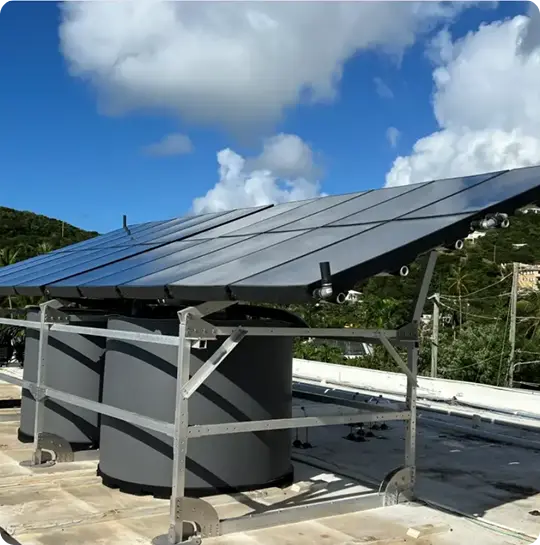
Understanding Peak Demand in Commercial Hot Water Systems

Peak demand in commercial buildings typically occurs during concentrated usage windows—morning showers in hotels, synchronized occupancy in multifamily housing, or batch processing in laundries. During these intervals, hot water demand can spike dramatically within minutes. Without adequate storage, heating systems must instantly ramp to maximum output. This causes energy spikes, inefficient cycling, and higher utility demand charges. Even short-duration peaks can set the billing threshold for the entire month.
A thermal energy storage tank mitigates this issue by separating energy generation from energy use. Instead of producing heat only when demand occurs, energy is stored during low-demand periods and deployed during peaks. This flattens the load curve and creates predictable, controlled system performance.

How a Thermal Energy Storage Tank Reduces Peak Demand

The core function of a thermal energy storage tank is load shifting. Energy is accumulated gradually and stored as heated water. When peak draw begins, stored thermal energy is delivered immediately—reducing the need for heating equipment to spike.
This approach produces measurable financial and operational benefits.

Peak demand reduction mechanisms

  • Heat is generated during low-demand intervals
  • Stored water covers short-duration surge events
  • Heating equipment operates in steady cycles
  • Utility demand charges are lowered by reducing maximum draw

By smoothing demand spikes, storage stabilizes both electrical and fuel consumption. In commercial applications, this flattening of the demand curve can significantly reduce monthly operating expenses while improving system reliability.

Non-Pressurized Thermal Tank Technology: Why It Matters

A non-pressurized thermal tank differs fundamentally from traditional pressurized vessels. Instead of storing water under high pressure, it operates at atmospheric or low pressure, reducing structural stress and mechanical fatigue. This design offers long-term durability advantages. Without internal pressure cycles, material fatigue is minimized. Corrosion risk is reduced when appropriate liner systems are used. Maintenance complexity is also lower compared to high-pressure systems. From an engineering standpoint, non-pressurized systems allow greater flexibility in tank construction and insulation integration. This leads to improved thermal retention and longer lifecycle performance. For high-capacity commercial environments, reduced structural stress translates directly into improved reliability and lower long-term risk.

What Is a Thermal Energy Storage Tank?

A thermal energy storage tank is a commercial hot water storage system designed to accumulate heated water in advance of peak demand and deliver it during high-use periods. By decoupling energy generation from consumption, it reduces demand spikes and stabilizes system performance. When designed as a non-pressurized thermal tank and integrated through professional commercial thermal tank installation, the system improves efficiency, lowers utility demand charges, and extends heating equipment lifespan. It functions as a thermal battery, ensuring consistent hot water delivery while minimizing operational stress on the heating plant.

Commercial Thermal Tank Installation: Engineering for Performance

Proper commercial thermal tank installation is critical to achieving peak demand reduction. Installation is not simply mechanical placement—it involves detailed load analysis, structural evaluation, insulation integrity, and integration with the existing heating plant.

Key installation considerations

  • Accurate peak-load and temperature-rise calculations
  • Structural load distribution planning
  • Insulation continuity to minimize standby losses
  • Hydraulic integration with boilers or heat pumps

Installation quality determines whether the tank performs as intended. Poor integration can create flow imbalances and temperature inconsistencies. Professional installation ensures that storage capacity aligns with draw profiles and that energy dispatch occurs efficiently during peak demand windows.

Thermal Retention and Insulation Performance

Insulation performance directly impacts system efficiency. Every degree of heat loss forces upstream heating equipment to cycle more frequently. In high-capacity facilities, standby loss can represent a significant energy expense over time. Modern thermal energy storage tank systems integrate high-performance insulation layers that maintain consistent thermal barriers across sidewalls, top, and base surfaces. By reducing thermal bridging, these systems preserve stored energy longer. Improved retention supports smoother heating cycles and reduces total energy input. In practical applications, insulation quality determines how effectively stored heat can offset peak demand. Over years of operation, reduced standby loss translates into measurable operating savings and improved system longevity.

Retrofit Applications and System Upgrades

Many commercial buildings operate legacy hot water plants that were not designed for modern occupancy or efficiency standards. Full system replacement can be costly and disruptive. Adding a thermal energy storage tank as part of a retrofit strategy provides a scalable solution.

Benefits of retrofit storage integration

  • Increased capacity without replacing primary heating equipment
  • Reduced peak demand and stabilized supply temperature
  • Extended lifespan of existing boilers or heat pumps
  • Lower capital investment compared to full plant replacement

Thermal tank retrofits are especially effective in hotels expanding room counts, multifamily buildings with rising occupancy, and healthcare facilities upgrading efficiency requirements. Storage enhances performance while protecting existing infrastructure investments.

Talk to our experts about your energy situation today.

Long-Term Financial and Operational Benefits

The financial case for thermal storage extends beyond energy savings. By reducing peak demand, facilities often lower utility demand charges significantly. Stabilized heating cycles reduce maintenance frequency and extend equipment lifespan. Operationally, storage improves resilience. During temporary outages or maintenance windows, stored energy provides a buffer that maintains hot water availability. This is especially important in mission-critical facilities where service interruption is unacceptable. From a lifecycle perspective, the combination of reduced peak charges, lower maintenance costs, and improved equipment longevity creates strong return on investment. When properly installed and sized, a non-pressurized thermal tank becomes a strategic asset rather than a passive storage component.

Why Do Thermal Energy Storage Tank Systems Lower Operating Costs?

Thermal energy storage tank systems lower operating costs by reducing peak demand charges, improving heating equipment efficiency, and minimizing mechanical wear. By storing heated water during low-demand periods and dispatching it during peak usage, the system flattens the demand curve. This reduces maximum utility draw and prevents heating equipment from operating at full output repeatedly. Additionally, improved insulation reduces standby losses, further lowering energy consumption. Through professional commercial thermal tank installation, storage systems deliver consistent hot water while controlling both short-term utility expenses and long-term maintenance costs.

Conclusion

Thermal energy storage tank systems are essential infrastructure for high-capacity commercial hot water applications. By shifting energy generation away from peak windows, they reduce demand spikes and create predictable operating patterns. When implemented as a non-pressurized thermal tank and integrated through expert commercial thermal tank installation, storage delivers measurable efficiency gains, improved reliability, and lower lifecycle costs. For hotels, multifamily buildings, healthcare facilities, and industrial operations, managing peak demand is no longer optional—it is critical to financial performance. Thermal storage transforms hot water systems from reactive infrastructure into controlled energy assets, delivering long-term operational resilience and cost stability in modern commercial environments.
Frequently Asked Questions (FAQs)
1. What is a thermal energy storage tank system?
A thermal energy storage tank system stores heated water in advance of peak demand and releases it during high-use periods. It helps commercial buildings stabilize hot water supply, reduce demand spikes, and improve overall system efficiency.
2. How does a thermal energy storage tank reduce peak demand?
A thermal energy storage tank reduces peak demand by generating heat during low-demand intervals and delivering stored hot water during peak usage. This flattens the load curve and prevents heating equipment from operating at maximum capacity.
3. What is a non-pressurized thermal tank?
A non-pressurized thermal tank operates at atmospheric or low pressure rather than high internal pressure. This reduces structural stress, lowers maintenance complexity, and extends system lifespan compared to traditional pressurized vessels.
4. Why is commercial thermal tank installation important?
Proper commercial thermal tank installation ensures accurate sizing, structural safety, insulation performance, and correct integration with heating equipment. Installation quality directly impacts peak reduction effectiveness and long-term system reliability.
5. How is a thermal energy storage tank sized for commercial use?
Sizing is based on peak draw volume, required temperature rise, duration of peak events, and heating system recovery capacity. Accurate draw profile analysis ensures the tank can meet demand without unnecessary oversizing.
6. Can thermal tank systems be added to existing buildings?
Yes. Thermal tank systems can be integrated as retrofit solutions to increase storage capacity, reduce peak demand, and improve efficiency without replacing the entire heating plant.
7. What types of commercial facilities benefit most from thermal storage?
Hotels, multifamily buildings, healthcare facilities, resorts, and industrial laundries benefit most due to their high-capacity and peak-driven hot water demand patterns.
8. Do thermal energy storage tanks lower operating costs?
Yes. By reducing utility demand charges, improving heating equipment efficiency, and minimizing mechanical wear, thermal energy storage tanks deliver measurable long-term operating cost savings.